


If your company belongs to the retail sector, you already know that inventory management is essential to guarantee the availability of products, minimize costs and optimize operations, it is not new to you, but it has surely become a headache for you to obtain truly useful tools.
And, with the constant evolution of technology, retailers have at their disposal a huge variety of tools that may or may not radically transform the way they manage their inventories and it is not easy to choose one that has all the necessary attributes.
In this article, we will explore the main tools for inventory management in retail, and we will highlight the five best solutions of 2024, so you will have the chance to analyze which of all these solutions is the most suitable for you.
But first, let's look at some information to put you in context...
📊 Efficient Inventory Management Why is it important for your business?
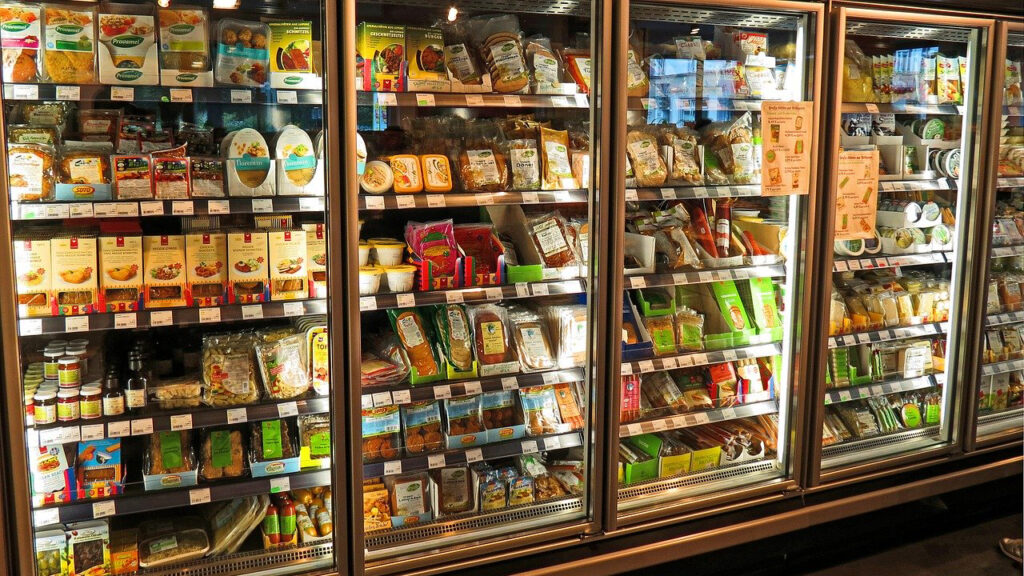
inventory control it's not just about knowing how many products you have in stock; This is the process of supervising and controlling the flow of products, from their acquisition to their final sale. Therefore, it is a key piece for the success of any company in the retail sector. Efficient inventory management offers several benefits:
- Customer satisfaction: Keeping products available and avoiding stockouts is crucial to meeting demand and building customer loyalty. This improves customer service and increases loyalty.
- Cost optimization: Prevents the accumulation of unsold products, which reduces storage costs and the risk of obsolescence.
- Operational efficiency: Improves purchasing planning and inventory management, optimizing workflows and reducing errors.
With these points in mind, we are going to review some key techniques for inventory management in the retail sector that you need to know to choose the best tool.
Key Techniques for Inventory Management in Retail
Below are some of the most effective techniques to maintain efficient inventory control and reduce costs:
1. Just-in-Time (JIT)
- Description: The Just-in-Time technique is based on receiving products just at the necessary time to avoid stock accumulation and reduce storage costs.
- Benefit: Minimizes excess inventory, reduces waste and reduces costs associated with storage.
2. FIFO (First In, First Out)
- Description: FIFO is a technique of selling the oldest products first to avoid obsolescence and waste.
- Benefit: Ensures that older products are sold sooner, reducing the risk of items expiring or becoming obsolete.
3. EOQ (Economic Order Quantity)
- Description: EOQ is a model that determines the optimal quantity of products to order, minimizing storage costs and ordering costs.
- Benefit: Helps find the perfect balance between the cost of holding inventory and the cost of placing orders, optimizing the financial resources of your company.
4.ABC Analysis
- Description: ABC Analysis classifies products into three categories (A, B, and C) according to their importance and demand. Class A products are the most valuable and require stricter management, while Class C products have the least impact on the business.
- Benefit: Allows your company to prioritize the management of the most critical products, improving efficiency in inventory management and optimizing the use of resources.
5. Rotating Inventories (Cyclic Counting)
- Description: This technique involves performing regular counts of a portion of inventory rather than doing a total count of all inventory at once.
- Benefit: Maintains continuous and up-to-date inventory control, detecting discrepancies quickly without disrupting daily operations.
6. Demand Based Inventory Management (Demand Forecasting)
- Description: This technique uses machine learning and artificial intelligence to forecast future demand for products, based on historical data and current trends.
- Benefit: Allows your business to adjust inventory levels based on anticipated demand, reducing the risk of oversupply or shortages.
Implementing these techniques in inventory management not only optimizes the flow of products within the supply chain, but also improves customer service and maximizes the profitability of your company.
Now, we are going to dedicate ourselves to examining the tools that can transform the way your business manages its inventory, to ensure sustained growth and a more efficient operation.
The 5 Best Tools for Inventory Management in Retail
1. Zoho Inventory

Zoho Inventory is a comprehensive solution that helps growing businesses manage their inventories efficiently. This tool stands out for its ability to integrate with multiple sales channels, such as Amazon, eBay, Etsy or Shopify, allowing retailers to centralize inventory management on a single platform.
Key Features:
- Centralized order management both online and offline.
- Control of stock levels and generation of specific reports by warehouse.
- Integration with payment gateways and main transport services.
What we like: Its free version is ideal for small businesses, and the integration with other Zoho products, such as Zoho CRM and Zoho Books, makes it easy to completely manage your business.
Pricing: Available in free version; payment options from €49/month.
2. Odoo

Odoo is an open source inventory management software designed for efficient warehouse management and double-entry tracking. This system allows retailers to optimize their logistics operations by automating key processes.
Key Features:
- Order points and automated quote requests.
- Advanced warehouse route management, such as cross-docking and multi-warehouse.
- Tracking of lots and series at any point in the supply chain.
What we like: Their open source community is a great resource for support and continually improving the tool. In addition, the platform is simple and easy to use, you do not have to have advanced knowledge to familiarize yourself with the tool.
Pricing: Free for unlimited users; There is a charge for additional applications. The final cost will depend on the applications you need and can start from €15/month.
3. monday.com

Although primarily known as a project management platform, Monday.com is also an excellent tool for inventory management (in beta). Its flexibility allows retail companies to customize their workflow and automate repetitive tasks, such as stock tracking.
Key Features:
- Customization of dashboards to adapt them to the specific needs of inventory control.
- Automation of repetitive tasks, which reduces errors and saves time.
- Integration with popular applications such as Excel, Google Drive, and more.
What we like: The ability to scale the tool based on your business needs and the ease of use for teams of any size.
Prices: Plans from €8 per user/month, with more advanced options available.
4. Dolibarr

Dolibarr is an open source ERP and CRM solution, aimed at small and medium-sized businesses. It offers complete inventory management, with the ability to customize and scale the tool according to business needs. It also allows you to manage commercial activities such as quotes, sales and purchases of products or services.
Key Features:
- Stock tracking by product reference, warehouse, and batch or serial number.
- Calculation of the weighted average price and standard calculation.
- Management of invoices, inventory, stocks, projects and sales from a single platform.
What we like: Its flexibility to adapt to any type of business need and its active community of developers and users.
Pricing: Free, with payment options for additional features.
5. Square for Retail

Square is more than a point of sale system; is a comprehensive tool that facilitates inventory management through an intuitive control panel accessible from any device. It is ideal for small and medium-sized businesses looking for an easy-to-implement and highly effective solution.
Key Features:
- Multi-location inventory management with real-time tracking.
- Email alert system for low stock notifications.
- Quick import and management of products through CSV spreadsheets.
What we like: The user interface is extremely easy to use, and the integration with the Square ecosystem offers a complete solution for retail operations.
Pricing: Free for inventory management.
🔧 How to Select the Right Inventory Management Tool for Your Business
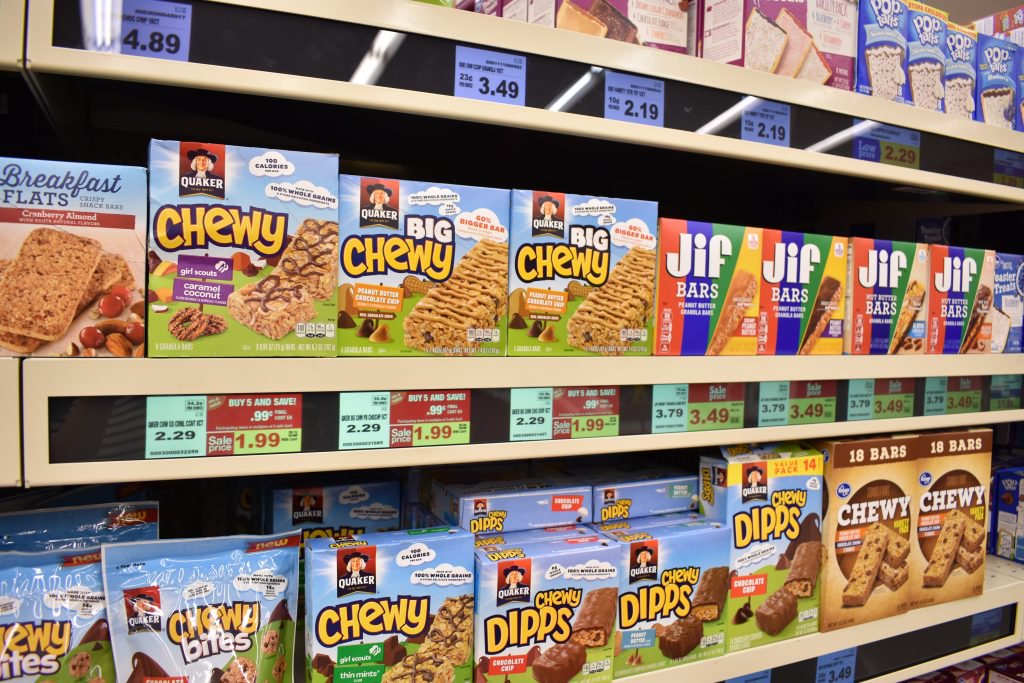
When choosing an inventory management tool, it is essential that you consider these factors:
- Inventory size and complexity: Make sure the tool can handle the number of products and the complexity of your business's operations.
- Budget: Although some tools offer free versions, consider whether premium features are necessary for your operation.
- Integration with other tools: Make sure the solution you choose integrates easily with other systems you already use, such as CRM or accounting systems.
- Ease of use: The tool should be easy to implement and use by the entire team, without the need for a steep learning curve.
🌟 Imagina IT Solutions: Optimize Inventory Management in Your Retail
At Imagina IT Solutions, we understand that efficient inventory management is one of the most important things for the success of your retail business. With our advanced solutions, such as ImaCash, we help you maintain accurate inventory control, reduce losses and improve operational efficiency. Whether you need to automate your cash closings or integrate inventory management devices, we have the technology and experience to help you take your business to the next level.
🔗 Discover more about our solutions and how we can help you optimize inventory management in your retail business.